
01
Nutrition
Nutrition comes first. Dr. Roshani starts by adding what is missing — often enough protein — so hunger settles and the carbohydrate conversation becomes easier. Patients learn what their own meals do to glucose, not a diet chart.
An endocrinologist-led program that asks why — before adding the next tablet.
“I wasn't this doctor 20 years ago. I was part of the old diabetes system: one tablet, two tablets, three tablets, four, finally insulin.”
American Board-Certified Endocrinologist · ★ 4.9 · 202 Google reviews · 20+ years
Watch: How Dr. Roshani treats Type 2 Diabetes
Most diabetes care follows the same script. The number rises, a medicine is added. It rises again, the dose goes up. Eventually, insulin.
The script works for the number on the report. It does not work for what is making the number rise. Nobody checks whether the pancreas is still producing insulin.
“This was the first time someone strongly insisted that I get a C-peptide test done. In all these years, I had never done it.”
That is what the first consultation starts with.
Dr. Roshani does not ask patients to change everything at once. The work starts with nutrition; each wheel that steadies creates the conditions for the next.
“They met me where I was. No push to do anything.”
01
Nutrition comes first. Dr. Roshani starts by adding what is missing — often enough protein — so hunger settles and the carbohydrate conversation becomes easier. Patients learn what their own meals do to glucose, not a diet chart.
02
Short, disrupted, or late sleep can worsen insulin sensitivity. Dr. Roshani looks at sleep soon after food because when sleep improves, glucose, cravings, and energy often change too.
03
A well-fed, well-rested body handles stress differently. Dr. Roshani treats stress as biology to understand: chronically high cortisol can keep glucose high even when food looks right.
04
Movement comes fourth, not because it matters least, but because it works best once the other wheels are turning. As hunger, sleep, and stress improve, patients often ask to move more — they are not pushed into it.
As glucose comes down, the medicines that were right can start becoming too strong.
In India, Dr. Roshani lowers doses directly as your numbers change — insulin, sulfonylureas, oral medications. For patients outside India, she gives you the clinical reasoning to bring to your local prescriber.
This is what needs an endocrinologist.
Blood pressure and fatty liver often improve as metabolic health improves.
Patient outcomes vary. Results depend on pancreas function, history, medications, and follow-through.
The numbers matter because daily life changes with them: medicines, food decisions, travel, and confidence.
13.3 → 5.9 HbA1c
HbA1c improved · Metformin halved in one month
“My family understood that diabetes was a lifelong illness that one could only control, not reverse. I have learned, for the first time, the underlying causes of diabetes. This understanding allows me to make better choices.”
HEENA · GOOGLE REVIEW · TYPE 2 DIABETES
In remission after 20+ years
Told he must start insulin. Dr. Roshani helped him change course.
“All the best doctor's of this country has told me that you are diabetic for more than 20 years and no tablets will work on you. You must now go on insulin. She has done what she promised.”
NARENDRA · GOOGLE REVIEW · TYPE 2 DIABETES
Insulin box no longer needed
15+ years with diabetes · 3 years on insulin
“Earlier, when I went out, I carried my insulin box and ice pack. Now, that burden is gone.”
KETAN · INTERVIEW WITH DR. ROSHANI · TYPE 2 DIABETES
A physician's son — already off two endocrinologists — stayed five months in the program. 20 kg lost. Blood sugars in normal range.
WASUNDHARA · physician and mother · GOOGLE REVIEW
“Dr. Roshani and her team managed what to me was a miracle. She managed to connect with him, and he stayed with her program for 5 months. She also helped me — by asking me to hand over all responsibility to her. That was such a relief.”
“I want to say to anyone reading this: it is never too late.”
Pravin · Age 88
55 years with Type 2 Diabetes. Rebuilding muscle, reducing medication.
Origin Story · 2013
In 2013, a 58-year-old man named Dinesh arrived with an HbA1c of 11.4%, four oral medications, and a referral note that called him non-compliant. Insulin was the expected next step.
Dr. Roshani did something different. She listened long enough to see the real problem: a hungry man eating 10 chapatis a day because no one had helped him build a meal that could satisfy him.
Within days, his glucose dropped from 350 to below 200.
His HbA1c later reached 6.6% on fewer medicines, on metformin alone.
That case changed the question. Long-standing Type 2 Diabetes was not always a burnt-out pancreas. Sometimes the pancreas was still fighting. The lifestyle simply was not supporting it back.
That is why the program looks for what the current treatment may be missing before assuming the next step is more medicine.
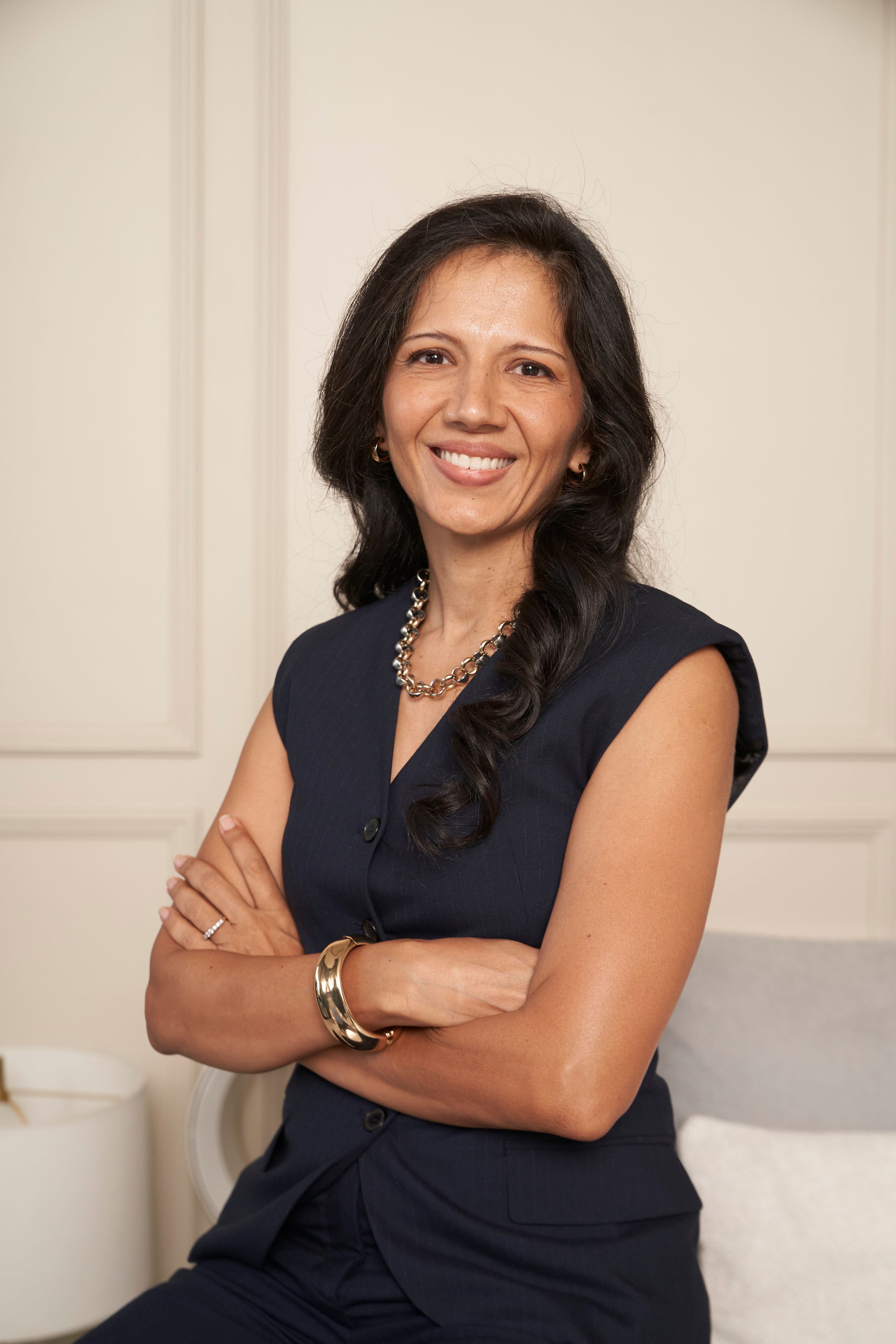
Physician-led care
The Type 2 Diabetes program is led by an American Board-Certified Endocrinologist whose work combines clinical medicine, behavior change, and careful medication review.
American Board-Certified
Endocrinology, Diabetes, and Metabolism · Internal Medicine
20+ years clinical experience
Patients across 12+ countries · MINT Certified Trainer
Recommended for consultations by Dr. Eric Berg
“For those of you that need to work with a very competent physician...”
“...there's so many people out there that are on medications that need assistance — and I know you have several programs.”
— DR. ERIC BERG, IN CONVERSATION WITH DR. ROSHANI SANGHANI(“Why Do Most Indian Men Have Potbellies?” — YouTube, 2024)
Published work
“A potential life changer.”
— Dr. Jason Fung, NYT Bestselling Author, The Obesity Code & The Diabetes Code
Dr. Jason Fung
NYT Bestselling Author, The Obesity Code & The Diabetes Code
Dr. Eric C. Westman
Duke University
Dr. Medha Munshi
Harvard Medical School
Benjamin Bikman, PhD
Author, Why We Get Sick
William R. Miller, PhD
Co-founder, Motivational Interviewing
The program is built to move patients from “what do I do now?” to knowing what changes their glucose, when medicines need review, and how to keep going.
Dr. Roshani's team maps your reports, medicines, C-peptide, food, sleep, stress, movement, and glucose history before the consultation. The call can then focus on the pattern, not paperwork. For Dinesh, the lever was chapatis. For another patient, it may be sleep, stress, protein, or medicines.
Patients work online with Dr. Roshani and her team. Every 10–12 days, glucose readings, hunger, energy, symptoms, weight, sleep, stress, and medicine response are reviewed together. The cadence exists because the body can change quickly when the right lever is found.
The point is not lifelong dependence on Reisaan. Patients learn how their meals, sleep, stress, movement, and medicines affect their numbers — so they know when to act, when to ask for help, and how to keep going without a diet chart.
Note: Working online with Dr. Roshani does not replace the need for physical examinations with your primary care provider.
Yes. There is a blood test called C-peptide that helps determine whether remission is possible for a patient. Dr. Roshani has helped hundreds of patients achieve it. Whether it's possible for you depends on your specific biology — how much insulin your pancreas is still making, and how long you've had the condition. That's what the First Consultation determines.
Yes. The C-peptide test shows how much insulin your pancreas is still making. Many patients on insulin still have a working pancreas — it's just being overwhelmed. Dr. Roshani has helped patients get off insulin with the right C-peptide levels and a structured lifestyle approach.
Yes. Whether you want to reduce your GLP-1, get off it, or were just advised to start one — Dr. Roshani guides patients through it safely alongside lifestyle change.
Indians can develop Type 2 Diabetes even at a lower body weight. The disease progresses faster in South Asians compared to Caucasians of similar body weight — meaning the same HbA1c number represents a different level of risk.
Medication helps control the number. Lifestyle helps change why it's high. The American Diabetes Association acknowledges that low-carb diets improve diabetes — better glucose with less medicine. When the right changes are made, many of Dr. Roshani's patients need less medication — and some need none at all.
In India, Dr. Roshani manages medications directly. She reviews results and adjusts as health improves. For patients outside India, she provides clinical guidance that you can discuss with your local prescriber.
Yes. The approach is low-carb and flexitarian — not a fixed diet. Dr. Roshani helps patients reduce carbohydrates and increase protein with whatever food they eat — vegetarian, non-vegetarian, Jain, or vegan. No food group is eliminated. Patients find what works for their kitchen and their life.
Patients get a dedicated chat group with their coach and Dr. Roshani's team. The team follows progress between consultations — so when something comes up, no one is waiting for the next session to figure it out.
Most patients start feeling better within days. Glucose levels often improve within the first week. Measurable changes in blood work typically appear within 4–6 weeks.
Book your First Consultation. Patients fill in a questionnaire through the Reisaan app beforehand. Dr. Roshani's team reviews everything before the meeting. Come with your reports, your medications, and your questions.
Yes. Pay in full at sign-up, or split into two — 50% at sign-up and 50% before your second consultation.
Most patients graduate managing independently — that's the goal of the program. Dr. Roshani's video course and teaching sessions give patients the tools to continue without ongoing hand-holding.
For patients who want continued support, maintenance options and an alumni community are available.
You've read the approach, the results, and the stories. The consultation tells you whether this fits your situation.
In person or online
★ 4.9 · 202 Google reviews · 20+ years clinical experience
Watch: Dr. Roshani describes the first consultation →