Reisaan Health

A craving is not a character flaw — it is a biological signal.

A self-paced video course from Dr. Roshani Sanghani — American Board-Certified in Endocrinology, Diabetes, and Metabolism — explaining what cravings actually are, why dieting makes them louder, and what changes when you treat the biology instead of fighting it.

4 modules · ~3.5 hours of video · self-paced · lifetime access

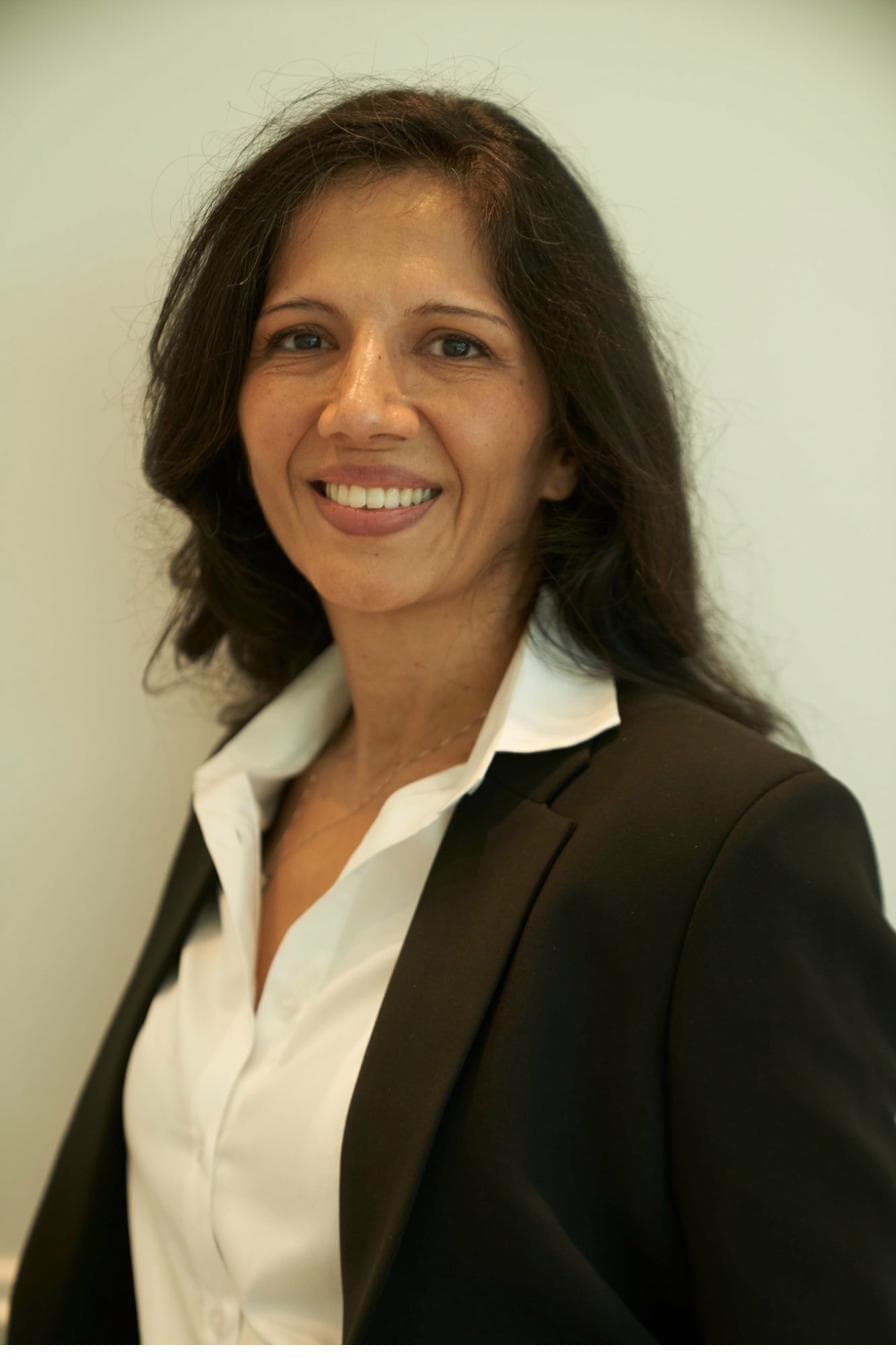
Dr. Roshani Sanghani, American Board-Certified Endocrinologist

Dieting asks you to fight your biology — a fight you are designed to lose.

You start strong on a Monday. By Wednesday the cravings get louder. By Friday something breaks — a wedding, a stressful day, an evening when the chart says one thing and your body says something else entirely. By Sunday you’re already drafting the next attempt.

It isn’t a discipline problem. It is what the body is built to do.

When you cut food, your body does not know you are dieting. It thinks you are starving. So it turns up the hunger hormones. It turns down the satiety signals. It slows the metabolism to conserve energy. And it makes the foods you are trying to avoid more rewarding to the brain than they were before you started. That is 200,000 years of survival engineering doing exactly what it was built to do — protect you when food is scarce.

So the cycle — restriction, craving, overeating, regret, restart — is not a weakness. It is the predictable outcome of asking the body to do something it was built to resist.

The way out is not more rules or more willpower. It is understanding what your body is actually asking for.

Three biological forces. None of them are willpower.

Cravings feel emotional. They feel like a lack of discipline. But underneath the feeling, three measurable systems are firing in the wrong direction — and each one is addressable.

1. Hunger hormones sending the wrong signals.

Leptin tells the brain you are full. Ghrelin tells the brain you are hungry. Insulin governs how energy is stored and released. When these hormones drift out of balance — from poor sleep, chronic stress, or chronic protein deficiency — they send signals that overrule any conscious intention. You feel hungry when you have eaten enough. You feel unsatisfied after a meal that should have been filling. The mental noise about food never quiets down. This is not greed. It is endocrinology. And endocrinology can be addressed.

2. The reward system chasing what it is not getting.

When the body is under-nourished — specifically when protein is too low and blood glucose is swinging — the brain's reward pathways start looking for quick dopamine. Sugar. Refined carbohydrates. Comfort food. The craving is the brain solving a nutritional problem with the fastest available tool. Stress and exhaustion amplify it: a tired, stressed brain has less capacity to overrule the signal. This is measurable. It shows up in brain imaging. It is not a matter of trying harder.

3. Blood glucose instability creating a cycle.

When blood glucose spikes — after a high-carbohydrate meal, a sugary snack, or even some foods marketed as “healthy” — the insulin response that follows can push blood glucose below where it started. That crash triggers hunger, irritability, fatigue, and the craving for another spike. The cycle repeats. Several times a day, for years.

Breaking it is not about eliminating carbohydrates. It is about understanding which foods produce stability and which produce the spike-crash pattern — and learning how to eat so the cycle does not begin.

Fear does not produce lasting change. Understanding does.

Dr. Roshani says this to her patients, and it applies here too:

Cancer pictures on cigarette boxes do not stop people from smoking. Fear works in the short term. It runs out. Every time.

The people who sustain change long-term are the people who find a reason connected to something they care about — not something they are running from. Self-worth. Self-care. The desire to be present for their children, to travel without anxiety, to feel strong, to live a life where food is a source of pleasure and not a source of negotiation.

This course is built on that principle. It does not use fear. It does not shame food choices. It teaches you to understand your biology — and to build your relationship with food from that understanding.

“You’re worth it.” That is not a tagline. It is the foundation.

What you’ll learn, module by module.

4 modules · ~3.5 hours of video · self-paced · lifetime access

The course is built in four modules, taught in the order that makes the science click. Every lesson is short — watch at your pace, pause, return whenever you need to.

01

Data, Not Diets

15–20 minutes

Why diet charts create dependence instead of understanding. How to read your own body's signals — hunger, fullness, energy, cravings — as data, not as character assessments. How to observe your patterns without judgment. How to set expectations realistic for your specific metabolism. By the end of this module, you'll know why every previous diet has failed you — and what will actually work instead.

02

The Fullness Formula

100–120 minutes

The science of satiety: what makes a meal genuinely satisfying versus one that leaves you thinking about food two hours later. Why protein is the single most effective lever for quieting food noise. Why eating “on time” and eating “enough” are not the same thing. Why large portions may be a sign of under-nutrition, not over-eating. The specific role of protein, fat, and fiber in producing the kind of fullness where you finish a meal and genuinely do not think about food until the next one. By the end of this module, the constant mental chatter about food begins to quiet — not because of a rule, because the biology has changed.

03

The Craving Cut Switch

50–55 minutes

The metabolic science of carbohydrates — which ones spike blood glucose and which ones don't, and why the difference matters for cravings. Why calorie counting creates more problems than it solves. Coconut sugar, jaggery, dates: the truth about “healthy” alternatives. Cheese, butter, ghee: how to think about fats without fear. Why you crave rice specifically — and how to eat it without the crash. Fruit timing. Post-dinner cravings. Millets, multigrain, makhana: facts versus marketing. By the end of this module, you'll eat rice, roti, and sweets with understanding instead of guilt — and recognize when a craving is biology versus habit.

04

The Body Confidence Code

20–25 minutes

Building habits that last years, not weeks. The difference between a conscious choice and a compulsion. Why the same food affects you differently on different days. How to navigate weddings, festivals, restaurants, and family pressure without a plan that collapses. Why “cheat days” are a concept that belongs to dieting, not to understanding. How to step out of the restrict-binge cycle for good — not by trying harder, but by no longer needing to try.

Questions you've probably asked yourself.

Here's a sample of what the course works through:

  • Why am I hungry two hours after a meal that should have been enough?
  • Why do I need something sweet at 5 PM?
  • Why does the post-dinner craving hit hardest?
  • Why do I think about food more than I want to?
  • Coconut sugar, jaggery, dates — is one actually better?
  • Am I really addicted to sugar, or is it something else?
  • Can I still eat rice and roti?
  • Is fruit safe? Dry fruit? Fruit juice?
  • Why does the same food affect me differently on different days?
  • Why do I start strong every Monday and slip by Friday?
  • Why am I always tired after lunch?

All four modules unlock the moment you enrol. Watch at your own pace, pause, rewatch — and return whenever life requires it. The knowledge stays with you for good.

Who this course is for.

This course is for you if:

  • You've cycled between diets for years and know the pattern is not working — but no one has explained why
  • You experience cravings that feel overwhelming and want to understand the biology behind them, not just more strategies to “resist” them
  • You eat well for a week and then something breaks — a stressful day, a social event, a feeling you cannot name — and the plan collapses
  • You think about food more than you want to and want the mental noise to quiet
  • You have diabetes, prediabetes, PCOS, thyroid, or another metabolic condition where food choices directly affect your health — and you want to make those choices from understanding, not fear
  • You're done with diet culture and ready for something grounded in science
  • You learn well at your own pace and want the knowledge in your own hands

This course is probably not the right fit if:

  • You want a meal plan or a diet chart — this course teaches you to build your own approach
  • You're looking for rapid weight loss in a fixed timeframe — this is a permanent shift in understanding, not a short-term intervention
  • You want someone to manage your medications — that needs clinical supervision, which is part of Dr. Roshani's clinical programs, not this course
  • You are managing a diagnosed eating disorder — this course teaches the biology of hunger, satiety, and food behavior for the general adult population; eating-disorder care needs a clinician trained in that specialty
Dr. Roshani Sanghani, American Board-Certified Endocrinologist

Your body is not doing something wrong. It's doing exactly what it was designed to do. It's just been given inputs that push this system into overdrive.

Dr. Roshani Sanghani

American Board-Certified in Endocrinology, Diabetes, and Metabolism

Dr. Roshani has practiced endocrinology for more than 20 years — the last 13 of them lifestyle-first, working with people managing Type 2 Diabetes, Type 1 Diabetes, PCOS, thyroid conditions, weight, and metabolic health. As a hormone specialist, cravings, hunger, satiety, and blood glucose regulation are not wellness concepts in her world. They are measurable hormonal processes she has worked with clinically every day for over a decade.

On the behavioral side of food, she is a MINT-Certified Motivational Interviewing Trainer and a Certified Mindful Eating Facilitator. Motivational interviewing was originally developed in addiction medicine, built on the principle that even self-defeating behavior reflects a valid need underneath. She does not override that need. She helps you understand it.

Her clinical position on cravings follows from this: a craving is an indicator that the body has not received enough protein, water, salt, or genuine nutrition. It is not a character flaw. It is the body communicating in the only language it has — and this course teaches you to understand the language.

She is the author of Turn Around Diabetes (2024), endorsed by Dr. Jason Fung, Dr. Eric C. Westman, Dr. Medha Munshi of Harvard Medical School, and William R. Miller — co-founder of Motivational Interviewing, under whose methodology she trained.

American Board-Certified in Endocrinology, Diabetes, and Metabolism·American Board-Certified in Internal Medicine·MINT-Certified Motivational Interviewing Trainer·Certified Personal Trainer

What people say.

These are people who learned and applied the same biology of cravings, hunger, and eating taught in this course — inside Dr. Roshani’s clinical programs.

I never felt deprived of any of my favorite foods (which is why all other diets have failed for me). Now I can truly enjoy all my favorite foods without worrying about how they'll impact my health.

Krishna

Reisaan program graduate

She refused to give me a diet chart but instead taught me to understand my body. Her great stress on educating patients instead of making them dependent on her is her strongest USP.

Prachi

Reisaan program graduate

They don't have a standard diet chart. They teach you concepts and let you build your own diet. Now I feel confident and independent.

Mansi

Reisaan program graduate

The biology of cravings — taught by the doctor, and yours for life.

₹4,999 / $59

What’s included:

  • 4 modules · ~3.5 hours of video lessons, taught by Dr. Roshani Sanghani
  • The full biology of cravings: hunger hormones, reward pathways, blood glucose
  • Practical application for Indian food, social occasions, and real life
  • The mindful-eating and motivational-interviewing layer applied to food behavior
  • Access to the Reisaan app — track meals, hunger, and craving patterns as you learn
  • Lifetime access, including every future update to the course

One payment. Lifetime access. No subscription, no recurring fees — the knowledge stays with you for good.

Refund policy.

Because you receive complete, lifetime access to every lesson the moment you enrol, course purchases are non-refundable. Please decide with full confidence first — watch the preview, look through what each module covers, and email connect@aasaanhealth.com with any question before you buy.

Frequently asked questions

They serve different purposes. This course is education — it teaches you the science of cravings, hunger, and food behavior so you can understand your body and make food decisions independently. It is self-paced, you keep it for life, and you apply it on your own.

The 3-month program is a clinical partnership. Dr. Roshani reviews your labs, manages your medications directly if you're in India (and guides your local prescriber if you're elsewhere), and her team works with you one-to-one through chat support and video consultations. Some people take the course alone. Some take it first and join the program later. Some do both. All three paths are complete.

The Turn Around Diabetes course focuses on the nutritional science of diabetes — insulin resistance, the protein-carbohydrate-fat conversation, and how to eat for blood glucose stability.

This course focuses on the biology of cravings and the psychology of eating — hunger hormones, reward pathways, the cycle of restriction and craving, and how to build a relationship with food that doesn't require willpower to maintain. The two overlap on the nutritional science underneath; the lens is different. Some people take both — the diabetes course gives you the metabolic framework, this one gives you the behavioral and hormonal understanding of why change is hard and how to make it last.

Yes. The hormonal mechanisms driving cravings — insulin, ghrelin, leptin, cortisol, dopamine — operate in every human body. If you experience cravings, food noise, emotional eating, or the restrict-binge cycle, the biology covered in this course is directly relevant whether or not you have a metabolic diagnosis.

It will teach you how to think about what to eat — which is more useful, and lasts longer, than a list.

You'll learn how different foods affect your hunger hormones, your blood glucose, and your cravings. You'll learn why some meals leave you satisfied for hours and others have you looking for a snack in 90 minutes. You'll learn how to build meals that produce genuine satiety — using Indian foods, your foods, the foods available in your actual life.

But I won't hand you a chart. A chart creates dependence. Understanding creates independence. And independence is the goal.

This course is education, not medical advice. Always work with your own doctor on any change to your medication, and before making significant changes to your diet. Individual results vary. Reisaan Health and Aasaan Health LLC disclaim liability arising from use of the information in this course.

Contact: connect@aasaanhealth.com